

human suffering : ค้นหาหนังสือธรรมะ หน้า 8 / 8
หน้าหนังสือทั้งหมด
232
Exploration of Metaphors in Buddhist Philosophy
snake, poisonous, mistaken for rope spire, a palace - {metaphor for Mid-
- {metaphor for self-mortification dle Way 38-9} 36}
spouses, categories of 154-6
snake - {metaphor for craving 88}
sprite, ear
This text explores several metaphors used in Buddhist philosophy, including the snake as a metaphor for craving and its relationship to the concept of suffering. It further elaborates on the significa
17
Understanding Birth in Buddhism
Rebirth & Incarnation
Monica
Luang Por
: Thank you. Ok, what does it mean for a Buddhist to
give birth to a child?
: Buddhism regards a birth not only as a natural process.
We consider that everyone i
In Buddhism, birth is seen as a continuation of the cycle of life and death shaped by karma. It serves as a journey toward understanding life’s truths, ultimately leading to the cessation of birth. Ea
34
Buddhist Teachings on Sensual Pleasures
used to rinse a toilet or the toilet bowl itself, which is soiled with excrement. He also compared the pleasures of the senses to human faces which dogs like to spend their time sniffing.
Thus, the Lo
In this text, the Buddha emphasizes the folly of indulging in sensory pleasures, likening them to dangerous paths and harmful actions. This indulgence is viewed as detrimental, bringing suffering akin
37
The Dangers of Sensual Indulgence
If it happens that his wealth is taken away in taxes, or stolen by robbers, or damaged by fire or floods, or frittered away by fraudulent enemies then that person will be sorrowful, suffering in body
This text discusses the sorrow and suffering resulting from the attachment to wealth and sensual pleasures, highlighting that these attachments can lead to fights and wars among various social groups.
74
Understanding Resentment and Suffering in Buddhism
about a certain thing. These are all the characteristics of resentment which will bring us misery for as long as we still harbour it in our hearts.
9. Bemoaning [upāyassa sukkha]
The Buddha characteri
This text delves into the characteristics of resentment as a source of misery and describes the Buddha's teachings on different forms of suffering. It explains how sorrow is a mental state, lamentatio
32
Lessons from Buddha: Stability of the Mind
Base on this truth, whether we are content or not, as
humans, we must learn to have calm and unwavering minds,
not to be frightened of life's uncertainties, and know how to
remain alert, like the eart
This text reflects on the teachings of Buddha regarding the importance of maintaining a calm and unwavering mind in the face of life's uncertainties. Buddha taught Venerable Rahula that like the earth
32
The Importance of a Calm Mind in the Face of Uncertainty
Base on this truth, whether we are content or not, as humans, we must learn to have calm and unwavering minds, not to be frightened of life's uncertainties, and know how to remain alert, like the eart
This content emphasizes the importance of maintaining a calm and unwavering mind amidst life's uncertainties. Drawing from the teachings of the Lord Buddha to Venerable Rahula, it illustrates the need
76
The Journey of Siddhartha: From Suffering to Enlightenment
The arrangement miscarried, however, for on the first three visits that Siddhatha made to the village he saw things that had a deeply traumatic effect on his over-protected consciousness. He was initi
This text traces the transformative journey of Prince Siddhartha in his quest for understanding suffering and achieving enlightenment. Over the course of several visits to the village, he encounters t
7
The Journey of Siddhartha Gotama Towards Enlightenment
he, himself, didn’t engage in the battle against delusion, there would be no-one else to do it in his place. Thus with anxiety, *not only* for his own lot in life, *not only* for the lot of his family
This text delves into Siddhartha Gotama's profound realization that if he did not confront the battle against delusion, no one would. Motivated by anxiety for himself, his family, and all beings trapp
41
The Noble Middle Way in Buddhism
sense of security, but in the end, he will surely take advantage of us and leave us decapitated in the jungle.
It is for all of these reasons that the Lord Buddha taught that self-mortification is a n
The text discusses self-mortification as a non-Buddhist and dangerous practice, as taught by the Buddha. It emphasizes the importance of the Noble Middle Way, or the Eightfold Path, as the means to un
75
Understanding Suffering and Attachment
move those hateful things or escape from their grasp — but when we can’t it only adds to the suffering in our mind.
11. Separation from loved ones and treasured things [piyihi vipayoga dukkhā] If we a
This text delves into the various forms of suffering as described in Buddhist teachings. It highlights how separation from loved ones and possessions leads to emotional pain and how disappointment man
102
Overcoming Craving through the Noble Eightfold Path
[phottabhba-vitaka] and thought-conception concerning of the mental objects [dhamma-vitaka].
Moreover, the discursive thought [vicāra] concerning our sensual objects arising from the aforementioned se
This text explores how discursive thoughts about sensory objects lead to attachment and suffering. Each of the six senses contributes to craving, necessitating practitioners to overcome these attachme
119
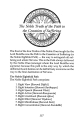
The Noble Truth of the Path to the Cessation of Suffering
The Noble Truth of the Path to the Cessation of Suffering
The final of the four Truths of the Noble Ones taught by the Lord Buddha was the Path to the Cessation of Suffering (or the Noble Eightfold P
The Noble Eightfold Path, the final of the Four Noble Truths, is the way to eliminate suffering and attain Nirvana. It consists of eight components: Right View, Right Intention, Right Speech, Right Ac
203
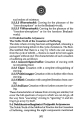
Buddhist Teachings on Cessation of Suffering
सual realms of existence;
3.2.2.2 Bhavaṭanāḥ: Craving for the pleasure of the "form-absorptions" or for the Brahmā-world;
3.2.2.3 Vibhaṭanāḥ: Craving for the pleasure of the "formless-absorptions"
This text delves into the Buddhist concepts of craving and the cessation of suffering. It describes various forms of craving and how they lead to rebirth, as well as the Noble Truth of cessation where
204
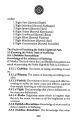
The Noble Eightfold Path and Its Fruits
earlier:
1. Right View [Sammā Ditthi]
2. Right Intention [Sammā Saṅkappa]
3. Right Speech [Sammā Vāca]
4. Right Action [Sammā Kammanta]
5. Right Livelihood [Sammā Ājīva]
6. Right Effort [Sammā Vāyāma]
The Noble Eightfold Path consists of eight practices aimed at ethical and mental development, leading to enlightenment. The path includes Right View, Intention, Speech, Action, Livelihood, Effort, Min
212
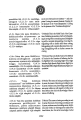
The Noble Truths of Suffering and Cessation
πεonæbhabikä <3.2.1.2> nandīrāga- one to one's here-and-now existence — and compries Craving for sensual pleasure; Craving for
sahagata <3.2.1.3> tatra taträ- the pleasure of the "form-absorptions"; C
This text discusses the Noble Truth of suffering (dukkha) and its cessation, emphasizing the importance of extinguishing craving to achieve liberation. It presents the Eightfold Path as the method to
244
Understanding Buddhist Concepts: Nirvana and Absorptions
nevasāññāṇasāññāyatana (absorption of neither-perception-nor-non-perception: see formless absorptions) Nevasāññāsaññāyatanaabhūmi (realm of neither-perception- nor-non-perception: see formless Brahma
This text delves into various Buddhist concepts such as Nevasāññāṇasāññāyatana, the realm of neither-perception-nor-non-perception, Nibbāna, and other related terms. It discusses the Five Aggregates,
47
No Content Provided
Universal Goodness : 45
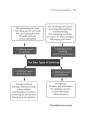
1. Suffering Caused by the Body
Not restraining one’s body
Not taking care of one’s body
Not exercising moderation
Ill health, dirtiness
Greed, exploitation
2. Suffering Caus
No summary available due to lack of content.
137
The Importance of Teaching the Five Precepts to the Younger Generation
can we expect the younger generation to see the importance
of observing the precepts? This unfortunate situation has led
more people to disregard the precepts until ignorance has
become the norm. And
This text discusses the declining observance of the Five Precepts among younger generations, attributing it to a lack of home guidance. Consequently, societal ills such as brawling and drug abuse aris
45
Analysis of Geopolitical Issues in the Middle East
Notes
1. See International Crisis Group report, Dealing With Iran’s Nuclear Program, November 2004.
2. See http://usinfo.state.gov/xarchives/display.html?p=texttrans-english&y=2007&m=April&x=200704181
This text discusses various reports and publications relevant to the geopolitical issues in the Middle East, with a specific focus on Iran's nuclear program, negotiations involving al-Qaddafi, and the